


Those were the days, eh? Way back in 2024, we were a Party on the up with a record number of MPs. The Tories were banished and in disarray. We talked, in all seriousness, about how we would be the Official Opposition after the next General Election. We looked admiringly at the Canadian Liberals who went from third place with a rump of MPs to an overall majority and thought “that could be us”.
Now? Not so much. We languish, flatlining at 4th in the polls (or occasionally 5th if the Greens are doing well). Our performance in recent parliamentary by-elections has barely registered as a footnote. There has been no discernable bounce in the polls for us following conference season – one of the few times of the year when the mainstream media feel some obligation to talk about us a bit.
Where has our ambition gone?
As has been frequently discussed on LDV, or in any gathering of Lib Dems, our strategy post-GE seems to have been to play it safe, keep our heads down, avoid controversy and annoy as few people as possible. Even the ones who will never vote for us. The ‘Equine Pacification’ strategy – don’t frighten the horses.
When I hear briefings from senior figures in the Party now, their assessment is that our held seats are mostly safe. We’re under pressure in a few and might lose a couple, and we might pick up a few target Tory-facing seats, but the end result is likely to leave us where we are now, on 70-odd seats plus or minus a few. Since 2024 I certainly haven’t heard talk of any ambition to deliver a result substantially better than that, or a strategy to deliver it. Is that really good enough?


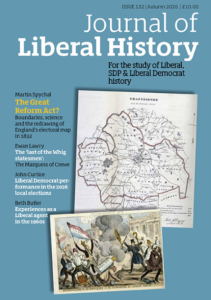 The Journal was first published in 1993 as a newsletter. It has come a long way since then and is read by people from all walks of life and all over the world. As a peer-reviewed journal, the highest rigours of accuracy are maintained but we have made sure the content is as accessible as possible.
 Lord Wallace was a Scottish Liberal/Liberal Democrat MP for Orkney and Shetland from 1983 to 2001. He was the leader of the Scottish Liberal Democrats from 1992 to 2005 and as a member of the Scottish Parliament, he served as Deputy First Minister of Scotland from 1999 to 2005. He stepped into the role of acting First Minister twice.








 Follow @libdemvoice.org on Bluesky
 Like us on Facebook
 Subscribe to our feed
 Sign-up for our daily email digest

 Beware the pitiless quicksands of Rutland Water
 Liverpool near bottom of the league for recycling
 Labour's recovery in by-elections continues.
 Vote Tory, get Reform?
 Looking good!
 Tristan Ward
 Ruth Bright
 Nick Baird
 Alan Jelfs